If you read Exodus 29 and think about what is described for just the first of seven days of sacrifices, the sacrifice of a bull and two rams, then you know the altar was filled with blood. It would have been shocking amount, and they were just getting started. The sight and the smell of all that blood would have been difficult for even the strongest of stomachs to endure. The priests laid their hands on the bull and the rams in turn before they were killed, each time transferring their guilt and their sin to these sacrificial animals. The truth that was burned into their minds with blood that could not be washed away was this: We need a sacrifice for sins. We cannot be righteous in God’s sight without a sacrifice of blood. Many, many sacrifices of blood. Because we are sinners. We aren’t sinners because we sin. We sin because we are sinners. It is who we are. So we back to the altar we go. Over and over again. There are very few religions that practice blood sacrifices today, although Orthodox Jews look forward to a Temple restoration with sacrifices again. But all the major world religions, Judaism, Islam, Hinduism, Buddhism, and Sikh teach that pleasing God is only possible through good works. They stress that there is no final and perfect atoning sacrifice for sin, one idea upon which they all agree or even dismiss altogether. “You must earn your way to heaven,” they all scream or chant or whisper. That is bad news for every one of us.
Thank God for the good news: Jesus Christ made a way for us. God sent His Son to us. “For our sake he made him to be sin who knew no sin, so that in him we might become the righteousness of God.” We lay our hands on Jesus by faith who took all of our sins away and made us new creations. I love the story of Charles Simeon who was a great preacher in England in the 18th century. But when he first went to Cambridge as a college student in the 1770’s, he was not a follower of Christ. He was shocked when he found out his first week of college that he would be summoned, along with all the other freshmen, to take communion in three weeks’ time. Simeon’s first thought was, “Satan himself is as fit to attend communion as I; if I must attend, I must prepare.” So he bought a Christian book called The Whole Duty of Man by an Anglican bishop and read it, crying out to God for mercy.
As he read the book, this sentence about the Lord’s Supper jumped out at him: “The Jews knew what they did when they transferred their sin to the head of their offering.” Simeon thought, What? Can I transfer all my guilt to another? Has God provided an offering for me, that I may lay my sins on his head? He began to seek this with Jesus. On Wednesday he had the hope of mercy; on Thursday the hope increased; on Friday and Saturday it became stronger. And on Sunday, Easter morning, he wrote, “I awoke early with these words on my heart and lips: ‘Jesus Christ is risen today! Hallelujah!’ From that hour peace flowed in abundance into my soul…and I had the sweetest access to God through my blessed Savior.”
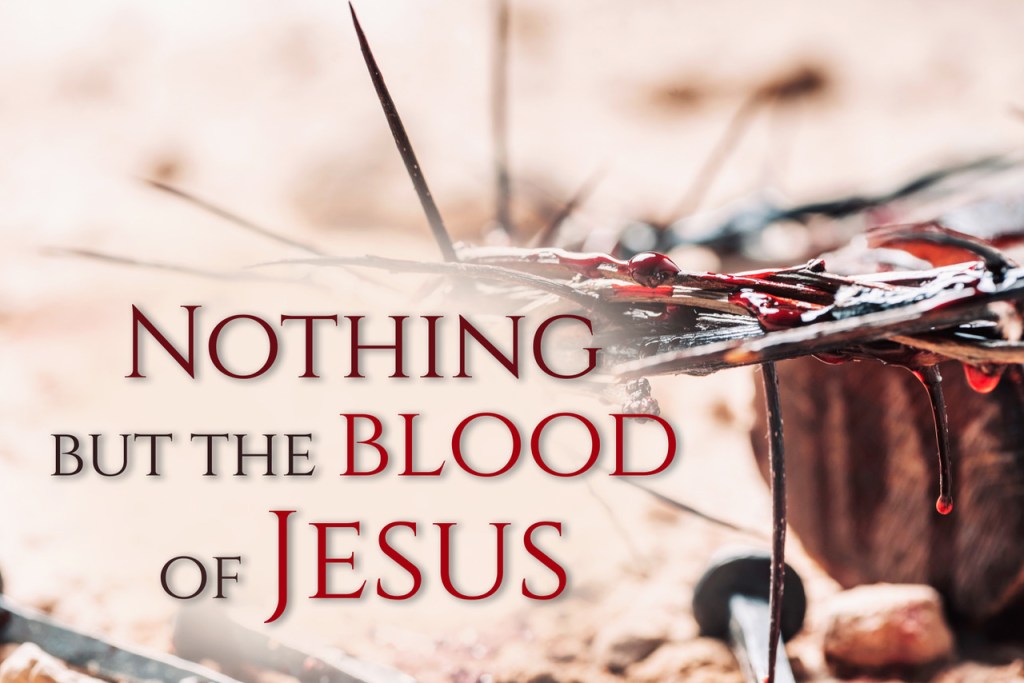
O precious is the flow, that makes me white as snow; no other fount I know, nothing but the blood of Jesus.

 J. Mark Fox